
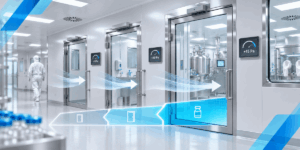


Long-Term Monitoring in Life Sciences
Table of Contents
Introduction
Long-term monitoring refers to the systematic and continuous observation, measurement, and assessment of biological, chemical, or environmental parameters over extended periods. In the life sciences, pharmaceutical, and biotech industries, this process is essential for ensuring compliance, safety, efficacy, and sustainability in research and development.
Definitions and Concepts
- Long-Term Monitoring (LTM): The ongoing observation of critical parameters in biological, pharmaceutical, or environmental settings.
- Pharmacovigilance: The practice of monitoring the effects of medical drugs after they have been licensed for use, particularly to identify and evaluate adverse effects.
- Environmental Monitoring: Tracking biological and chemical parameters to assess long-term ecological changes, particularly in pharmaceutical manufacturing.
- Biomarker Surveillance: The use of specific biological indicators to track disease progression, drug response, or physiological conditions.
Importance
Long-term monitoring is critical in the life sciences industry for several reasons:
- Regulatory Compliance: Ensures adherence to FDA, EMA, and other global regulatory standards requiring data on long-term drug safety and effectiveness.
- Drug Safety and Efficacy: Continuously assesses the long-term impact of pharmaceuticals on patients to mitigate adverse effects.
- Biotechnological Advancements: Enables researchers to collect time-series data that inform medical and biotechnological innovations.
- Environmental and Health Safety: Crucial in the detection and control of microbial contamination in laboratory and manufacturing environments.
Principles or Methods
Various methodologies are used in long-term monitoring depending on the industry focus:
- Real-Time Data Collection: Automated monitoring systems that continuously capture and store data for analysis.
- Longitudinal Studies: Research methods that observe the same subjects repeatedly over a period to detect developmental trends.
- Remote Sensing Technologies: Application of bioinformatics and sensor technologies to gather and analyze large datasets from biological systems.
- Advanced Analytical Techniques: High-performance liquid chromatography (HPLC), mass spectrometry, and next-generation sequencing (NGS) for prolonged biomarker tracking.
Application
Long-term monitoring is applied across various domains within the pharmaceutical and biotech industries:
- Drug Development and Clinical Trials: Evaluates long-term drug effects on patients, contributing to post-market surveillance and risk management.
- Pharmaceutical Manufacturing: Ensures environmental control in cleanrooms and production facilities, preventing contamination risks.
- Biotechnology Research: Supports gene therapy and regenerative medicine studies by tracking genetic modifications over time.
- Medical Device Performance: Assesses real-world functionality and patient interactions with implanted biomedical devices.