Siedlerstraße 7 | 68623 Lampertheim, Germany

info@zamann-pharma.com

Performance Qualification: A Step-by-Step Guide for Pharma Experts

Last update on October 18, 2024

Performance Qualification (PQ) is a crucial step in the pharmaceutical industry, ensuring that equipment and systems operate as intended under real-world conditions. This process is vital for maintaining the quality and safety of pharmaceutical products, aligning with stringent regulatory standards such as those set by the FDA. In this guide, we’ll explore the steps involved in performing performance qualification, how to write a performance qualification protocol, the essential elements of a performance qualification checklist, and more.

How to Perform Performance Qualification

To perform Performance Qualification (PQ) effectively, it’s essential to follow a structured approach that ensures all equipment and systems meet predefined criteria under operating conditions. Here’s a step-by-step guide:

1. Define Objectives and Scope:

The first step is to clearly define the objectives and scope of the PQ. This includes identifying the equipment or systems to be qualified, the operational parameters to be tested, and the specific criteria that must be met.

2. Prepare the Equipment:

Ensure that all equipment is properly installed and calibrated before starting the PQ. Any maintenance or adjustments required should be completed beforehand to avoid disruptions during the qualification process.

3. Develop a Performance Qualification Protocol:

A well-documented protocol is crucial for guiding the PQ process. This protocol should outline the tests to be conducted, the acceptance criteria, and the procedures for data collection and analysis.

4. Conduct Testing:

Execute the tests as outlined in the protocol. This typically involves running the equipment under normal operating conditions and recording the performance data. Multiple test runs may be necessary to verify consistency.

5. Analyze Data:

After testing, analyze the collected data to determine whether the equipment meets the specified criteria. This analysis should be thorough, identifying any deviations and assessing their impact on the overall performance.

6. Document the Results:

Documenting the results in a Performance Qualification Report is critical. This report should detail the test conditions, results, any deviations encountered, and the final conclusions on whether the equipment is qualified.

7. Review and Approve:

The final step involves reviewing the PQ report and obtaining approval from relevant stakeholders, such as quality assurance teams and regulatory bodies. This ensures that the qualification process adheres to all necessary standards and guidelines.

How to Write a Performance Qualification Protocol

A Performance Qualification Protocol is a detailed document that outlines the procedures, criteria, and responsibilities for conducting the PQ. Writing an effective protocol requires careful planning and attention to detail. Here’s how to do it:

1. Title and Purpose:

Start with a clear title and a brief statement of the purpose of the PQ. This section should explain why the qualification is necessary and what it aims to achieve.

2. Scope and Objectives:

Define the scope of the PQ, including the specific equipment or systems being tested. Outline the objectives, such as verifying that the equipment performs consistently under operational conditions.

3. Responsibilities:

Identify the personnel responsible for various aspects of the PQ, including testing, data collection, analysis, and report preparation. This ensures accountability and smooth execution of the protocol.

4. Test Procedures:

Provide a detailed description of the test procedures, including the methods to be used, the operational parameters to be tested, and the frequency of testing. This section should also include any specific instructions for data collection.

5. Acceptance Criteria: 

Clearly define the criteria that must be met for the equipment to be considered qualified. These criteria should be based on industry standards and regulatory guidelines.

6. Documentation Requirements:

Specify the documentation that needs to be generated during the PQ process, such as data sheets, logs, and the final PQ report. This ensures that all necessary information is recorded and available for review.

7. Approval:

Conclude the protocol with a section for signatures and dates from the responsible parties, indicating their approval of the document.

Take the first step towards impeccable PQ standards with us

Contact us today to take the first step towards compliance and operational excellence in the pharmaceutical industry.

Contact Us

Performance Qualification Checklist

A Performance Qualification Checklist is an essential tool for ensuring that all critical aspects of the PQ process are addressed. Here are the key items that should be included:

Pre-Qualification Checks: Verify that the equipment has been installed and calibrated correctly, and that all necessary maintenance has been performed.

Test Procedures: Ensure that all test procedures are well-defined, documented, and understood by the personnel conducting the PQ.

Data Collection: Confirm that data collection methods are in place and that the necessary tools and systems for recording data are functioning properly.

Acceptance Criteria: Review the acceptance criteria to ensure they align with industry standards and regulatory requirements.

Deviations Management: Have a plan in place for documenting and addressing any deviations encountered during testing.

Final Documentation: Check that all required documentation, including the performance qualification report, is complete and accurate.

Approval and Review: Ensure that the final report and all related documents are reviewed and approved by the appropriate stakeholders.

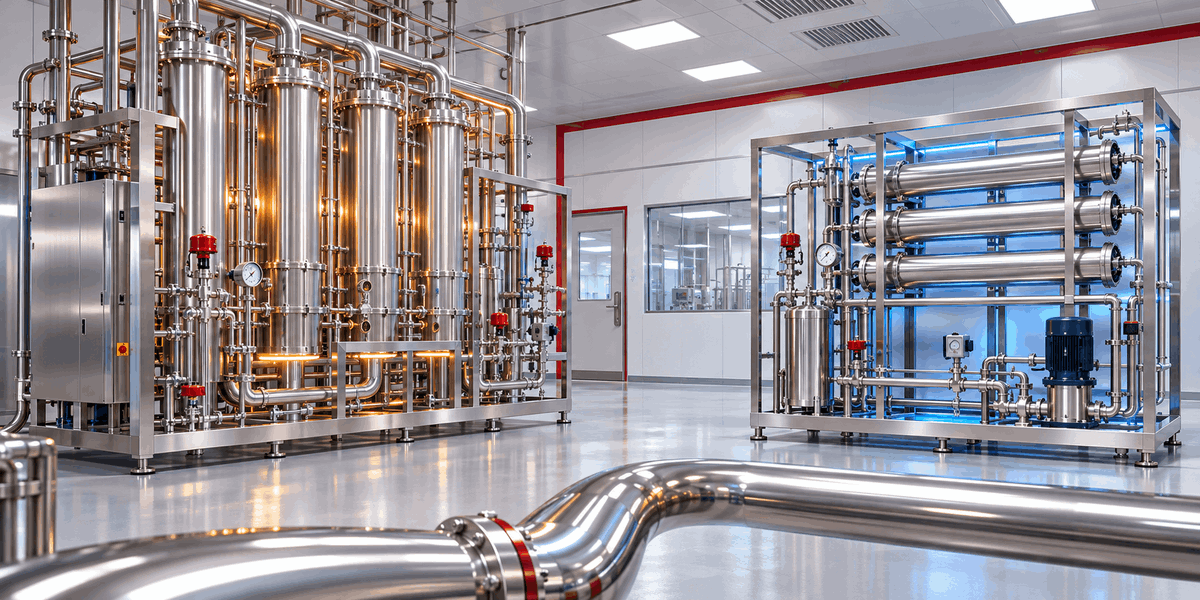
Sterile environment in pharmaceutical industry
Performance Qualification (PQ) is a crucial step in the pharmaceutical industry, ensuring that equipment and systems operate as intended under real-world conditions.

Performance Qualification FDA Requirements

The FDA places significant emphasis on the Performance Qualification process as part of its regulatory framework for ensuring that pharmaceutical products are produced under controlled conditions. To comply with Performance Qualification FDA requirements, pharmaceutical companies must:

Adhere to Good Manufacturing Practices (GMP): Ensure that PQ is conducted according to GMP guidelines, which include thorough documentation, accurate data collection, and consistent testing procedures.

Maintain Data Integrity: The FDA expects that all data generated during the PQ process is accurate, consistent, and reliable. Any deviations must be documented and justified.

Document Compliance: Pharmaceutical companies must provide detailed documentation, including the PQ protocol and final report, to demonstrate compliance with FDA requirements.

Submit to Audits: The FDA may audit the PQ process and related documentation as part of its oversight. Companies should be prepared for such audits by maintaining thorough and accurate records.

Performance Qualification Report

To perform Performance Qualification (PQ) effectively, it’s essential to follow a structured approach that ensures all equipment and systems meet predefined criteria under operating conditions.

The Performance Qualification Report is the final document that summarizes the entire PQ process. It serves as a critical piece of evidence that the equipment or system has been tested and meets all specified criteria. A comprehensive PQ report should include:

Introduction and Objectives: A recap of the purpose and objectives of the PQ.

Summary of Testing: A detailed account of the tests performed, including the methods, conditions, and results.

Data Analysis: An interpretation of the data collected during testing, highlighting any deviations and their impact on the qualification process.

Conclusions: A clear statement on whether the equipment meets the qualification criteria, supported by the data and analysis.

Recommendations: Any follow-up actions or further testing that may be required.

Approval: Signatures from the responsible personnel, indicating that the report has been reviewed and approved.

Conclusion

Performance Qualification (PQ) is a critical process in the pharmaceutical industry, ensuring that equipment and systems perform consistently and effectively under operational conditions. By following a structured approach to PQ—developing a comprehensive protocol, utilizing a detailed checklist, and adhering to FDA requirements—pharmaceutical companies can ensure compliance, maintain product quality, and support the safety of their products. Proper documentation, including a well-prepared performance qualification report, is essential for demonstrating that all steps have been completed and that the equipment is qualified to operate within the specified parameters.

References

Picture of Alireza Zarei
Alireza Zarei

Alireza Zarei is the founder and CEO of Zamann Pharma Support GmbH in Germany. He pairs 20 years in GMP—beginning in a lab in 2005—with front-line global project delivery for companies such as Boehringer Ingelheim, Roche, BioNTech, Takeda, Fresenius Medical Care, Biotest, ratiopharm and others. He focuses on innovative validation and qualification procedures, master data management strategies, end-to-end LIMS implementation and care, with pragmatic advice on general Quality Management topics and management level OpEx consulting. Together with his team he also created Pharmuni.com as the leading GMP learning platform in the industry.