Siedlerstraße 7 | 68623 Lampertheim, Germany

info@zamann-pharma.com

This article explains how GMP certified supplements ensure safety, quality, and regulatory compliance through strict manufacturing controls. It also shows how inspectors evaluate systems and how consumers can identify trusted products in highly regulated supplement markets.
This article explains how data in GMP is controlled across its lifecycle, focusing on pharmaceutical data integrity, audit trail review, and electronic records compliance. It highlights regulatory expectations under ALCOA+ principles, FDA guidance, and Annex 11 requirements for inspection readiness.
Process deviations in GMP environments require structured investigation, accurate documentation, and effective CAPA closure. This article explains how quality teams strengthen deviation management, improve data integrity compliance, and reduce FDA inspection risks through risk-based control strategies and systematic lifecycle handling.
This article explains how train validation test failures impact GMP inspection outcomes, focusing on data validation strategy GMP, audit trail control, and validation dataset design GMP. It highlights how weak validation logic increases compliance and data integrity risks in regulated
Inspection findings in GMP environments increasingly stem from weak risk evaluation rather than missing procedures. This article explores GMP risk classification, pharmaceutical risk assessment, CAPA management, and audit readiness strategies that strengthen compliance and inspection performance across operations.
Explore how pharmaceutical internal audits and GMP audit checklist practices enhance inspection readiness, strengthen pharmaceutical quality system compliance, and reduce recurring audit findings. Learn how data integrity controls and structured audit processes support effective regulatory audit performance.
This article explains the regulatory relationship between CMC and GMP, highlighting key differences, inspection findings, and compliance expectations. It shows how documentation, validation, and manufacturing control connect to FDA and global pharmaceutical quality system requirements.
This article explains how equipment qualification supports GMP compliance through structured validation stages. It highlights common inspection findings, documentation requirements, and risk-based validation lifecycle approach to help reduce validation deviation trends pharma inspections and improve audit readiness.
This article provides a practical overview of GMP regulations in 2026, covering FDA 21 CFR 210/211, EU GMP guidelines EudraLex Volume 4, and WHO expectations. It explains inspection trends, audit readiness, and regulatory compliance gaps in pharmaceutical manufacturing systems.
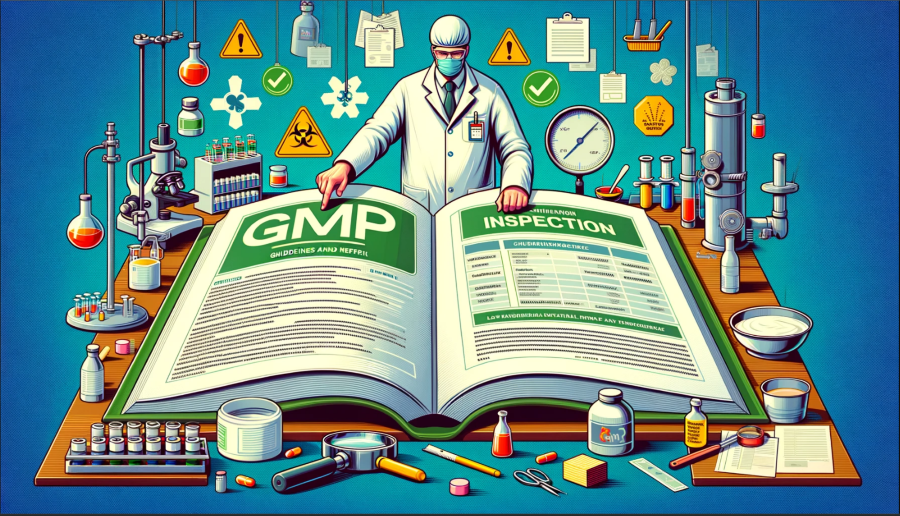
This article explains how GMP inspections are structured using the PICS guideline, focusing on checklist execution, data integrity controls, and system-level compliance gaps. It highlights real inspection expectations and how companies can improve audit readiness effectively.