Siedlerstraße 7 | 68623 Lampertheim, Germany

info@zamann-pharma.com

Periodic reviews are conducted throughout the operational life of computerized system to verify that it remains in a validated state, complies with current regulatory requirements, is fit for intended use, and satisfies company policies and procedures. The review should confirm
In Computer System Validation, GAP assessment serves to pinpoint differences between a company's existing procedures, practices, and policies and relevant regulatory guidelines and compliance standards. It involves gathering evidence to delineate the variance between requirements and current strengths.
Uncover the transformative impact of smart monitoring solutions on the pharmaceutical industry, optimizing operations and driving efficiency. Explore the essential role of environmental monitoring in upholding quality standards and regulatory compliance within pharmaceutical manufacturing processes.
In the pharmaceutical industry, ensuring product quality is paramount. Rigorous environmental monitoring plays a critical role in maintaining this quality by preventing contamination and achieving regulatory compliance. This blog explores how environmental monitoring improves pharmaceutical product quality, with practical insights.
21 CFR 211 compliance is your organization's stepping stone to meeting the FDA's definition of current good manufacturing practice (cGMP). Complying with 21 CFR 211 proves that your business has a safe, effective, consistent and quality-managed drug manufacturing operation in
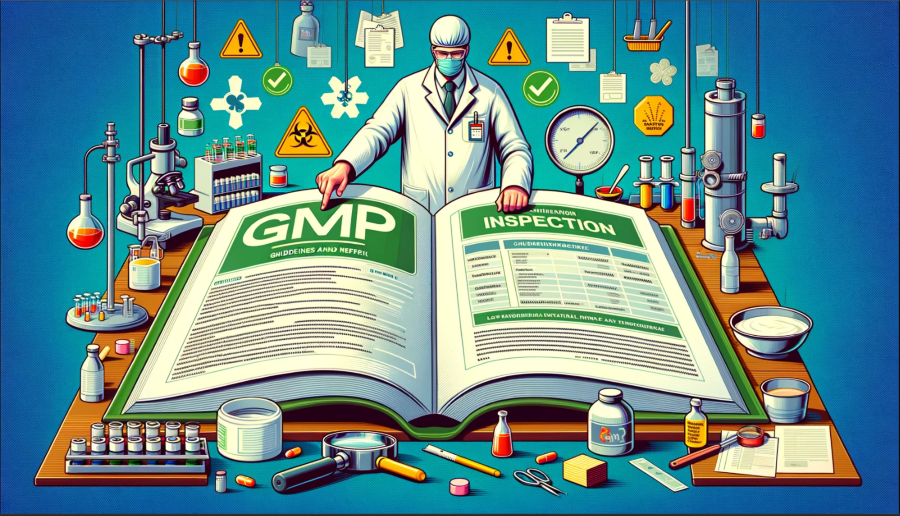
Prepare for a successful GMP inspection by conducting internal audits, implementing strong quality control systems, staying updated on regulations, utilizing technology, and conducting mock inspections. These steps will help pharmaceutical companies ensure compliance, uphold quality, and demonstrate commitment to patient

In the pharmaceutical industry, GMP inspections ensure quality and compliance, demonstrating commitment to safety and building trust with healthcare professionals and patients. Understanding the inspection process, guidelines, and common deficiencies is crucial for upholding industry standards and ensuring patient safety.